
The Big IPO Kahuna
Veteran investors and insiders have always harbored a bit of skepticism about the initial public offering (IPO) market, where brokerage firms hype up the ‘opportunity’ to ‘get in on the ground floor’ of companies where the actual ground floor was long ago when the private firm was founded. Hefty commissions are involved.
The IPO is a chance for a company to give the founders a nice payday and potential exit plan, and to raise capital to spend on future growth. After all, why risk your own money when you can risk other peoples’?
Despite the hype (and hefty commissions) the results for investors haven’t been pretty. One of the most comprehensive studies of returns from the first close of each IPO trading day found that these new issues lost, on average, 20.2% (market adjusted) over the following three years. Recent history has been less kind. On average, IPOs that went to market in 2020, 2021, 2022 and 2023 experienced three year, market-adjusted returns of -78.6%, -68.6%, -61.4% and -52.7%.
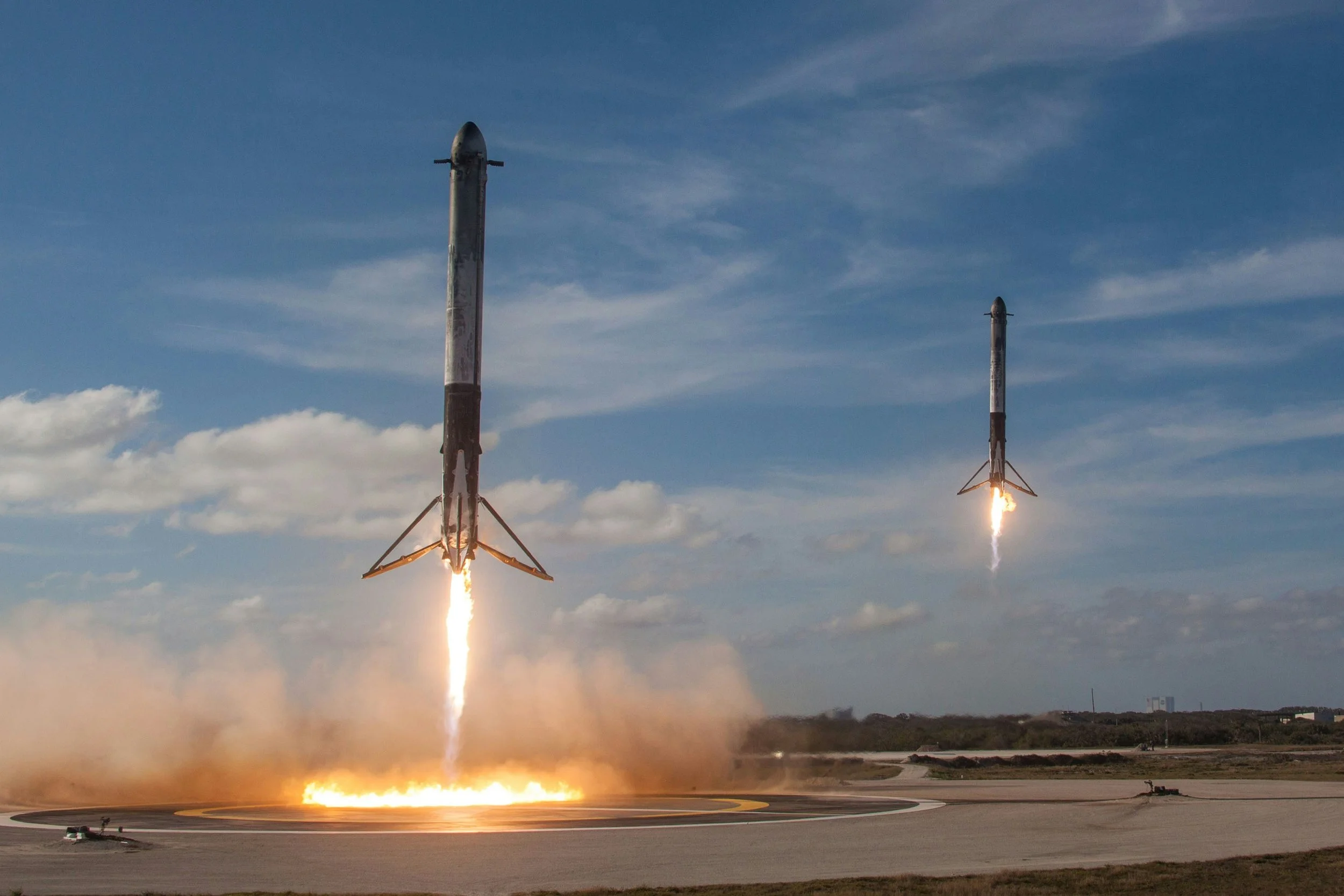
Why is this relevant? The market is about to experience the largest and perhaps least justified initial public offering in history. Elon Musk’s SpaceX is planning to go public—sell shares of itself to investors—and have those shareholders pay a truly whopping $1.5-2.9 trillion (depending on who you ask) for the privilege of holding its virtual stock certificates and participating in what will surely be a bumpy investment ride.
Market analysts have pointed out that this upcoming IPO is remarkable in a couple of interesting ways. The first is that the space-related units generate little to no profits, despite generating an estimated $15 billion in annual revenues.
The second is that a $2.9 trillion valuation would instantly make SpaceX the sixth largest (by market cap) company in the world, behind Nvidia ($4.25 trillion), Apple ($4.11 trillion), Alphabet ($3.74 trillion) and Microsoft ($3.56 trillion). It would be ahead of Amazon, Broadcom, Meta, Tesla and Taiwan Semiconductor Manufacturing.
SpaceX founder Elon Musk has famously declared that he wouldn’t take the company public until it had achieved its ultimate goal of sending humans to Mars. SpaceX President Gwynne Shotwell amended that. ‘We can’t go public until we’re flying regularly to Mars,” she said.
It’s fair to wonder what has changed their minds.