
Layoffs Under the Radar
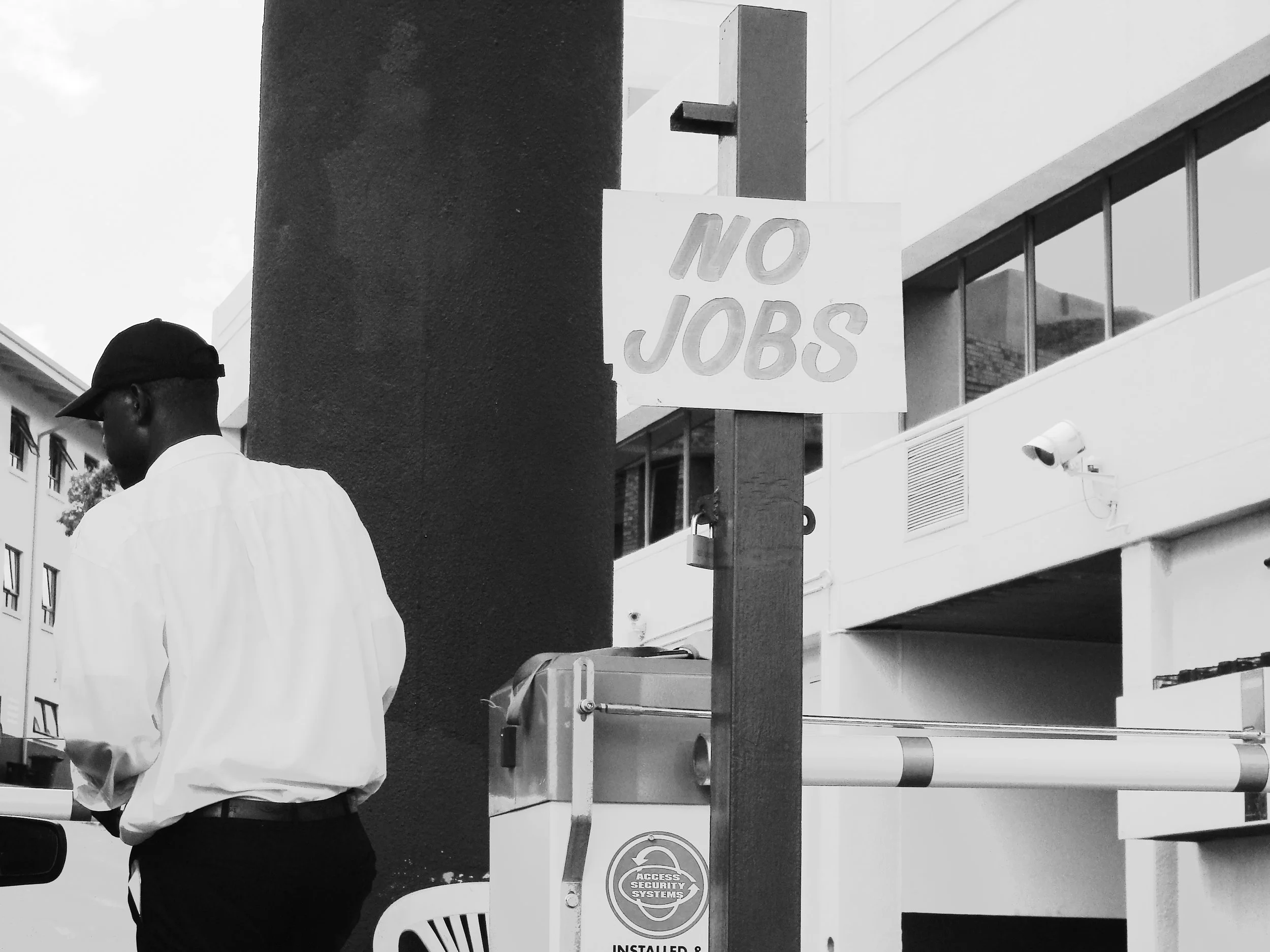
On the surface, the U.S. unemployment rate looks reassuring, at 4.4%. But behind the relatively low number, it’s possible to identify some potentially troubling signs of weakness.
Such as? In July, the number of unemployed individuals increased by 221,000. In August, 148,000 more joined the ranks of the jobless. In September, 219,000 more began receiving jobless benefits. That’s where the statistics end, due to a certain government shutdown.
The slow drip-drip-drip adds up. The recruitment firm Challenger, Gray & Christmas toted up all the downsizing, and announced that, all in, companies have laid off 1.17 million workers in the first 11 months of 2025—only the sixth time since 1993 that this threshold has been exceeded. The most recent prior incidents were the pandemic year of 2020, the Great Recession year of 2009 and the Tech Wreck/9/11 years of 2001 and 2002. None of those years are remembered fondly from an economic standpoint.
Some believe that this gloomy figure is actually understated. The federal government’s own JOLTS survey found that roughly 1.7 million workers have been laid off as of the end of November. And in his explanation for the 25 basis point drop in the Fed Funds rate, Fed Chairman Jerome Powell estimated that data revisions will reveal that 60,000 additional layoffs were not reported.
Why hasn’t this gotten more attention? The Glassdoor organization’s chief economist, Daniel Zhao, says that firms are trying to keep their layoffs under the radar so as not to attract negative attention. That means that they are rolling out the layoffs incrementally month by month, rather than a mass firing of workers they no longer consider necessary. This also allows firms to redistribute work more gradually as they downsize. In the office, co-workers quietly disappear, workloads creep up for survivors, and everyone worries that AI is coming for their jobs.
But what about hiring data? The Challenger report note that employers have announced 497,151 planned hires this year, which sounds positive until you see the context: that figure is 35% below the same point last year, and is the lowest year-to-date total since 2010.
It’s not hard to read these tea leaves and predict that economic growth is poised for a slowdown. People who aren’t earning a paycheck are probably not going to be big consumers going forward—and consumer consumption makes up three-fourths of the GDP calculation. However, the outlook for stocks is more complicated. It’s possible that we are in the early stages of a restructuring of workloads that could lower staff costs and raise profits across the corporate landscape.