
SpaceX Stock Crash
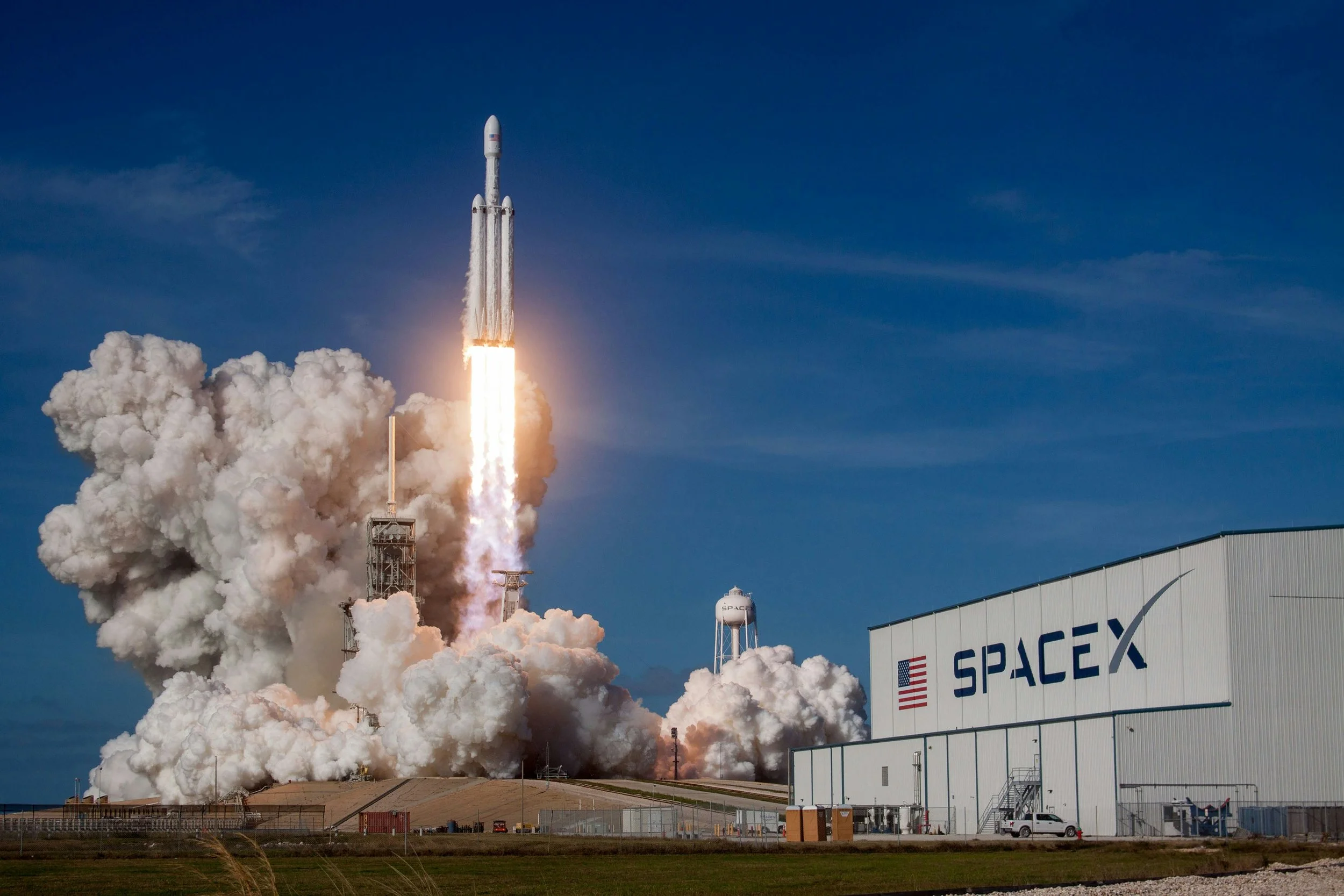
Man, that SpaceX initial public offering was really exciting, right? The stock shares were put on the market at $135 a share, but opened trading at $150 per share and closed the first day at $160.95. The shares continued to rocket (ahem) up to $225.60 per share, before investors began realizing that the company was not in imminent danger of putting humans on Mars, or building that orbiting data center featured so prominently in the prospectus.
Today, just days later, buyers at the peak can sell a share of the company at around $145, which surely is an opportunity to build character and earn sympathy. If they decide to hang on, they will be privileged to participate in deep losses in SpaceX’s AI (Grok) division and launch unit. Analysts are now projecting that the company will post negative free cash flow through 2029, so they’re in on the ground floor of that as well.
On the plus side, SpaceX’s Starlink satellite-internet unit, with more than 10,000 active satellites in low Earth orbit, generates more than $11 billion a year in revenue, which subsidizes the other elements of a speculative business plan. The space launching business is estimated to lose $657 million a year and is spending $3 billion on the Starship that is being constructed to colonize Mars. Grok loses $30 billion a year and is trying to get a foothold in an extremely competitive AI market.
Interestingly, the launch unit may be awash in business in the future, not because of outside demand, but because the Starlink satellites circling the Earth are designed to stay in orbit for just 5-7 years before falling back through the atmosphere in a controlled deorbit. At a minimum, to stay abreast of today’s global internet coverage, the company would have to send up 1,500 new satellites a year—at internally subsidized prices of $120,000 to $300,000 per satellite.
Market analyst and institutional investor Jeremy Grantham recently called the SpaceX offering “the craziest IPO in human history,” and suggested that he’d only be interested in investing at ten cents on the dollar. Some overstimulated early investors, caught up in the hype, are slowly discovering what the professionals already know.